
Treatments & Services
Advanced Cancer Care, Every Step of the Way
Our team offers the latest treatment options including chemotherapy, immunotherapy, infusion therapy, and hematologic care, all delivered with the personalized support and human connection you deserve.

Medical Oncology
Medical oncology focuses on diagnosing, treating, and managing cancer using medications that work throughout the body. Medical oncologists use a wide range of therapies, including chemotherapy, immunotherapy, targeted therapy, hormone therapy, and other systemic treatments. They coordinate closely with surgeons, radiation oncologists, and many other specialists to ensure each patient receives well-rounded, personalized care.Patients may be referred to a medical oncologist after a concerning test result, a biopsy, or a diagnosis made by another specialist. Because every patient and every cancer is different, medical oncologists develop individualized treatment plans based on the type of cancer, its stage, and each patient’s overall health and goals. Throughout treatment, they monitor progress, adjust therapies as needed, and support patients through symptoms, side effects, and the emotional challenges of a cancer diagnosis.
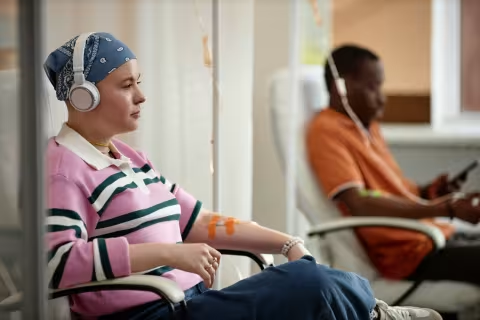
Chemotherapy
Chemotherapy is a systemic therapy that uses medications to kill fast-growing cancer cells or stop them from dividing. Depending on the diagnosis, chemotherapy may be used alone or alongside other treatments, including surgery, radiation therapy, targeted therapy, or immunotherapy. Because it circulates throughout the body, chemotherapy can help treat cancer cells that have spread beyond the original tumor site.Many chemotherapy drugs are available, and each works differently. Side effects can occur, ranging from mild to more serious, and your care team will carefully monitor your response and adjust treatment as needed.Chemotherapy is administered under the direction of medical oncologists; physicians specially trained in diagnosing and treating cancer. After medical school, these specialists complete at least three years of residency and often an additional three-year fellowship in oncology. At The Center for Cancer and Blood Disorders, our physicians pair advanced medical expertise with a strong commitment to whole-person care, providing supportive services and resources to help patients and their families through every step of treatment.

Immunotherapy
Immunotherapy is a type of cancer treatment that helps your body’s own immune system recognize and attack cancer cells more effectively. These therapies work in different ways; some boost the immune system’s overall response, while others target signals that cancer cells use to hide. Immunotherapy may be used alone or combined with other treatments, and it is sometimes recommended when testing shows certain biomarkers that can help guide which therapy is best for you.Immunotherapy is typically given through an infusion in an outpatient setting, where oncology-trained nurses closely monitor your response. Because each patient’s immune system is unique, our care team will tailor the type of immunotherapy you receive and work with you to manage any side effects that may occur.
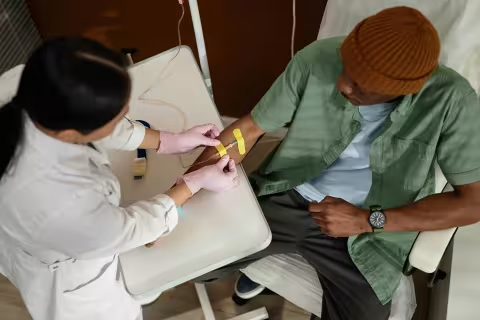
Infusion Therapy
Infusion therapy delivers medications directly into the body through an IV, port, catheter, or by intramuscular (IM) or subcutaneous (SQ) injection. This method allows treatments to work quickly and effectively, especially when medicines cannot be taken by mouth or need to be given at a controlled rate. Infusion therapy may include chemotherapy, immunotherapy, targeted therapies, blood products, injections, or supportive medications, depending on each patient’s diagnosis and treatment plan.Infusion care is provided in a comfortable outpatient setting, where oncology-trained nurses monitor your treatment closely. Many of our infusion nurses hold OCN® or biotherapy certifications, offering advanced expertise and an added level of safety throughout the infusion process. Our team coordinates closely with referring providers to ensure each patient’s infusion plan is personalized and aligns seamlessly with their overall care.

Hematology
Hematology focuses on diagnosing and treating conditions that affect the blood, bone marrow, and lymphatic system. Hematologists care for patients with both benign (non-cancerous) blood disorders and blood cancers, helping identify the cause of symptoms such as anemia, bleeding issues, clotting problems, or abnormal blood counts. They use specialized testing to understand how the blood is functioning and develop personalized treatment plans that may include medications, infusions, transfusions, or other targeted therapies.